Ninety Seconds at the Register: The Small Purchases Quietly Outspending Your Car Insurance

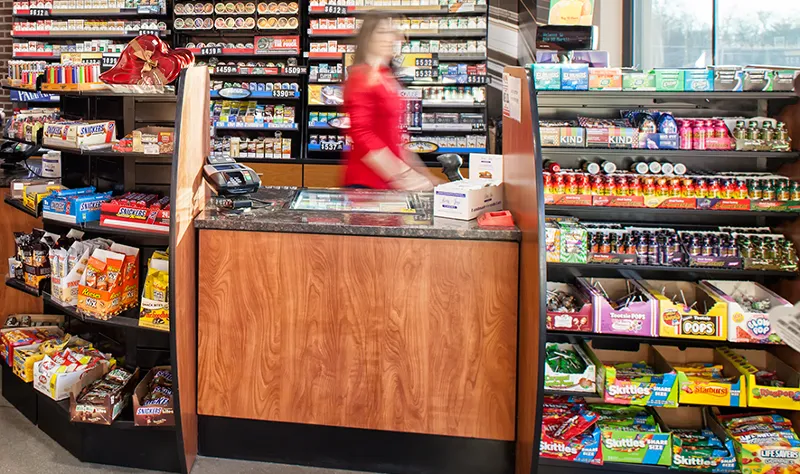
Photo: Kim Shiflett, Public domain, via Wikimedia Commons
There's a reason the checkout counter exists, and it isn't your convenience. That gauntlet of scratch-offs, candy bars, and beef jerky between you and the door is one of the most carefully engineered sales environments in America — and the average shopper walks through it two or three times a week without thinking twice.
Here's the uncomfortable part: when you actually run the numbers, those 90-second impulse buys can rival a real monthly bill. Not a small one, either. For plenty of people, it's car-insurance money.
The Receipt You Never Read
Let's build a typical week at a typical gas station or grocery register:
- Two $5 scratch-off tickets — $10
- One candy bar — $2.50
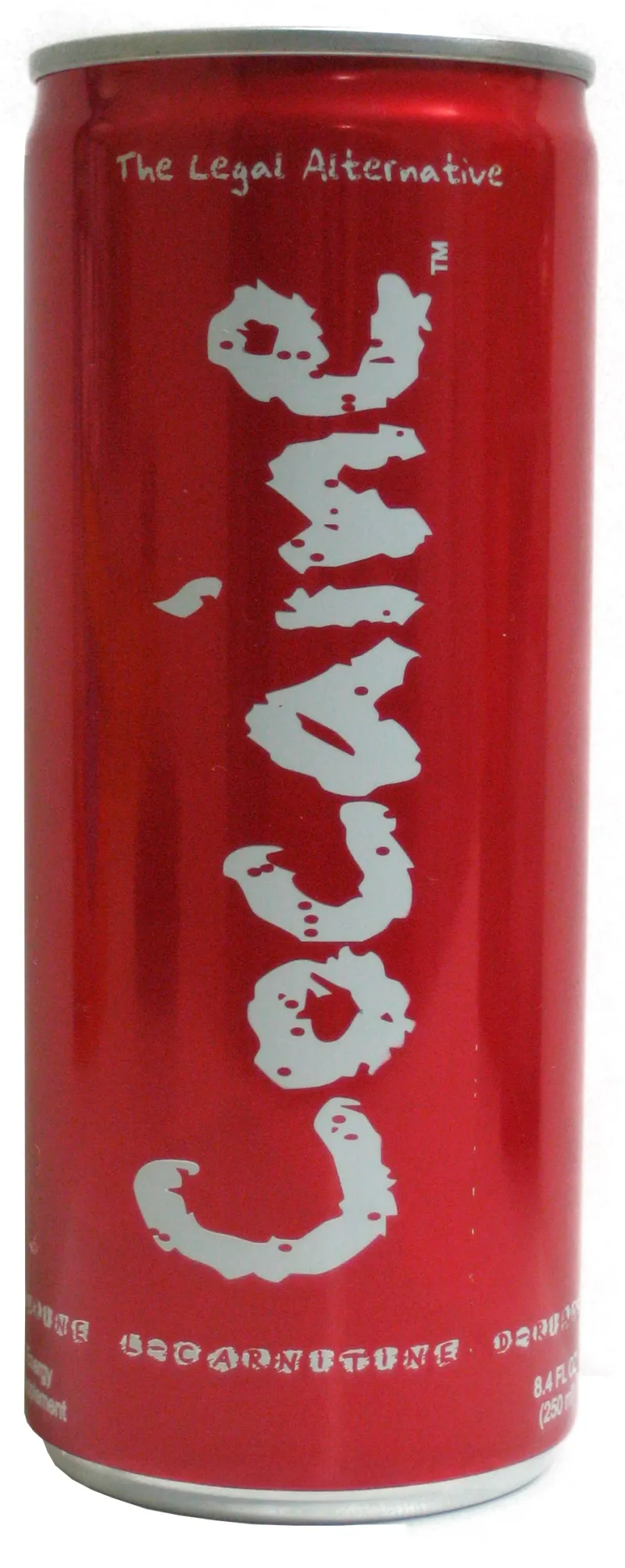
- One energy shot or cold energy drink — $4
- A phone accessory, a drink, a bag of chips (this rotates, but it's always something) — $5
That's roughly $21.50 a week, which sounds like nothing. Multiply it out and it's about $93 a month — call it $1,120 a year.
Now compare that to real bills. The average American pays somewhere between $1,700 and $2,500 a year for full-coverage car insurance depending on the state. If you're a lighter-than-average impulse spender, your checkout habit is half an insurance premium. If you're a daily scratch-off player, it is the premium — paid to a gas station instead of a company that would at least cover you after a crash.
And unlike insurance, the checkout counter pays out almost nothing back. Scratch-off tickets return roughly 50 to 70 cents on the dollar nationally, depending on the game and the state — meaning every dollar you feed the machine loses 30 to 50 cents on average. Candy and energy shots have no payout at all. That's the whole business model.
Why the Line Is Designed Like a Slot Machine
Retailers didn't stumble into this. Register merchandising is a science, and it leans on the same psychology that makes casinos profitable:
The low-decision zone. You've already made your big purchase decision. Your mental guardrails are down, and your brain is in autopilot. Researchers call this the "dropped guard" moment, and it's why everything within arm's reach of the card reader is cheap, grabbable, and high-margin.
The price disguise. Nothing at the register costs more than about ten bucks, which keeps your internal alarm system quiet. A $5 ticket doesn't feel like spending — it feels like rounding error. But rounding error four times a week is a phone bill.
The near-miss machine. Scratch-offs are the star of the counter for a reason. Losing tickets that came "close" — three of four matching symbols — light up the same reward circuitry as winning, which is exactly why you buy another one. It's a slot machine you scratch with a coin.
The urgency props. Cold drinks in the cooler at the register, jerky in a clip strip, chargers at eye level. Every placement is tested against how fast you'll grab it while the person in front of you fumbles for their card.
Run Your Own Checkout Audit
You can't fix a leak you haven't measured. Grab a notes app or a receipt drawer and track every register purchase — anything you picked up in line that wasn't on your original shopping list — for two weeks. Then run this math:
Step 1: Weekly total. Add up everything from the audit and divide by two for a weekly average.
Step 2: Annualize it. Weekly total × 52. Be honest; the number is supposed to sting a little.
Step 3: The translation test. Divide your annual figure by these benchmarks:
- ÷ $1,900 = months of average full-coverage car insurance
- ÷ $550 = emergency-fund starter stash (the kind that keeps you off a credit card when the water heater dies)
- ÷ $100 = a month of a decent Roth IRA contribution
Step 4: The payout check. Circle every item that had a negative expected return — scratch-offs, lottery tickets, raffle entries. For most people, this is 30–50% of the total. That's money that is mathematically guaranteed to shrink.
Cutting the Counter Without Going Full Monk Mode
Nobody's saying you can never buy a candy bar again. But if you want the $1,000 back, a few friction tricks do most of the work:
Use self-checkout. The lanes are stocked with fewer temptations, and bagging your own groceries occupies your hands and your attention.
Pay with a set amount of cash. If your impulse budget is $10 a week in a twenty-dollar bill, the line can't upsell you past it.
Buy the scratch-off budget on purpose. If you enjoy playing, put $10 in an envelope monthly. When it's empty, you're done. Intentional play beats drive-by play every time.
Skip the last aisle. At grocery stores, the candy aisle and the checkout are redundant. Pick one, or neither.
Do the 90-second math on the spot. Before grabbing that $5 ticket, ask: is this worth 90 seconds of my paycheck? At a $25/hour wage, five bucks is twelve minutes of work. The ticket takes three seconds to lose.
The Bottom Line
The checkout counter works because every individual decision is invisible — five dollars here, two-fifty there, gone before the receipt prints. Stack a year of those invisible decisions and you've funded something real: insurance premiums, an emergency fund, a chunk of retirement savings.
Your vices don't always announce themselves with a big price tag. Sometimes they cost exactly 90 seconds at a time.